Strong passwords, multi-factor authentication, trained staff, and current patches all lower the odds of a security incident. None of them bring the odds to zero. At some point, most organizations will face something: a compromised account, a ransomware infection, a lost device, or a vendor that reports a breach affecting your data.
When that happens, the difference between a manageable event and a serious crisis usually comes down to preparation. Teams that have thought through their response in advance move faster, make better decisions under pressure, and are in a far stronger position when it comes time to answer to customers, regulators, or leadership.
Why a Plan Matters Before Anything Goes Wrong
In the first hours of an incident, there is rarely time to figure out who should be involved, who has the authority to take a system offline, or who needs to be notified. Without a plan, those questions get answered in the middle of the chaos, often inconsistently and often too slowly.
An incident response plan doesn’t need to be a hundred-page document. It needs to be clear, current, and known to the people who would use it. A plan that lives in a folder no one has opened in three years won’t help anyone at 2 a.m.
What a Practical Plan Includes
Most effective plans cover a similar set of fundamentals:
- Roles and responsibilities. Who leads the response, who handles technical investigation, who communicates with leadership, and who speaks to outside parties. Include backups for each role, since incidents don’t wait for vacations to end.
- Contact information. Internal responders, leadership, legal counsel, your cyber insurance carrier if you have one, and any technology partners who would support you. Keep a copy that doesn’t depend on the systems that may be down.
- A way to classify incidents. Not every alert is an emergency. Defining severity levels helps your team respond proportionally and escalate the right things quickly.
- Steps for containment and recovery. How to isolate affected systems, preserve evidence, remove the threat, and restore operations from known-good backups.
- Communication guidelines. What gets said to employees, customers, partners, and regulators, who approves it, and how it’s delivered.
- A review process. A defined step to capture what happened and what should change, so each incident improves the next response.
The Compliance Connection
For many organizations, incident response isn’t only good practice; it’s tied to specific obligations. Regulations and frameworks often include requirements to maintain a response process, to document incidents, and, in some cases, to notify affected individuals or agencies within set timeframes.
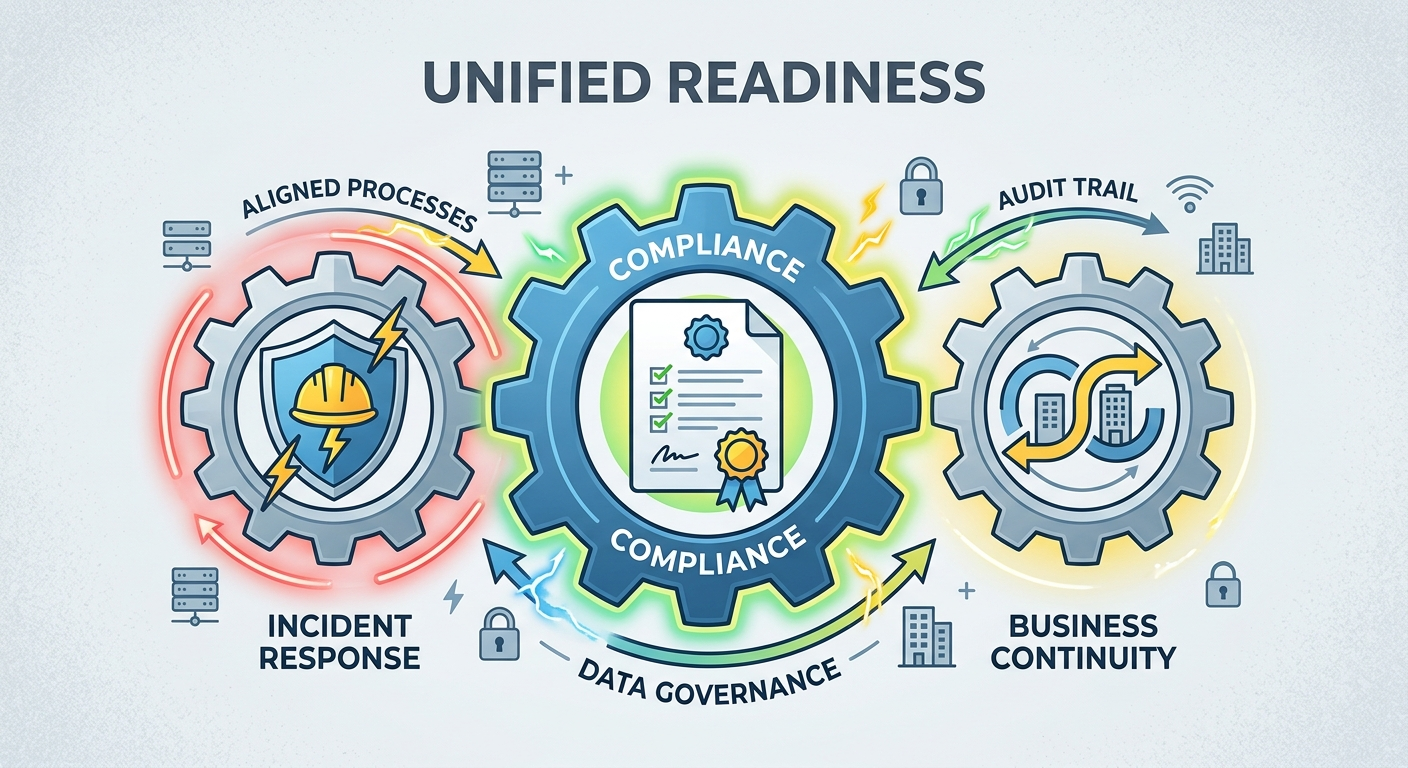
If you handle protected health information, HIPAA includes breach notification requirements and expects covered entities and their business associates to have procedures for responding to security incidents. Organizations that access criminal justice information are subject to CJIS security policy, which includes incident handling and reporting expectations. Financial institutions fall under GLBA, which expects a written information security program that addresses how incidents are detected and handled. Schools and universities protecting student records under FERPA face their own responsibilities for safeguarding that data, along with state-level breach notification laws that often apply on top.
The specifics, including what counts as a reportable incident and how quickly you must act, vary by framework, by state, and by the contracts you’ve signed. That is exactly why it’s worth working through these questions in advance rather than during an incident, ideally with your legal and compliance advisors involved. If you aren’t sure which requirements apply to you, that’s a good first question to answer.
Common Gaps We See
A few weaknesses show up repeatedly when organizations take an honest look at their readiness:
- The plan exists but is outdated. Staff, systems, and vendors have changed, but the document hasn’t.
- No one has practiced. Reading a plan is very different from using it. Teams that have never run through a scenario tend to discover the gaps during a real event.
- Backups haven’t been tested. Having backups and being able to restore from them quickly are two different things. A recovery that has never been attempted is an assumption, not a capability.
- Unclear decision-making. When it isn’t obvious who can authorize shutting down a system or notifying customers, valuable time is lost.
- Vendors and third parties are left out. Many incidents involve a provider or a connected system, and your plan should account for how to coordinate with them.
How to Test Your Readiness
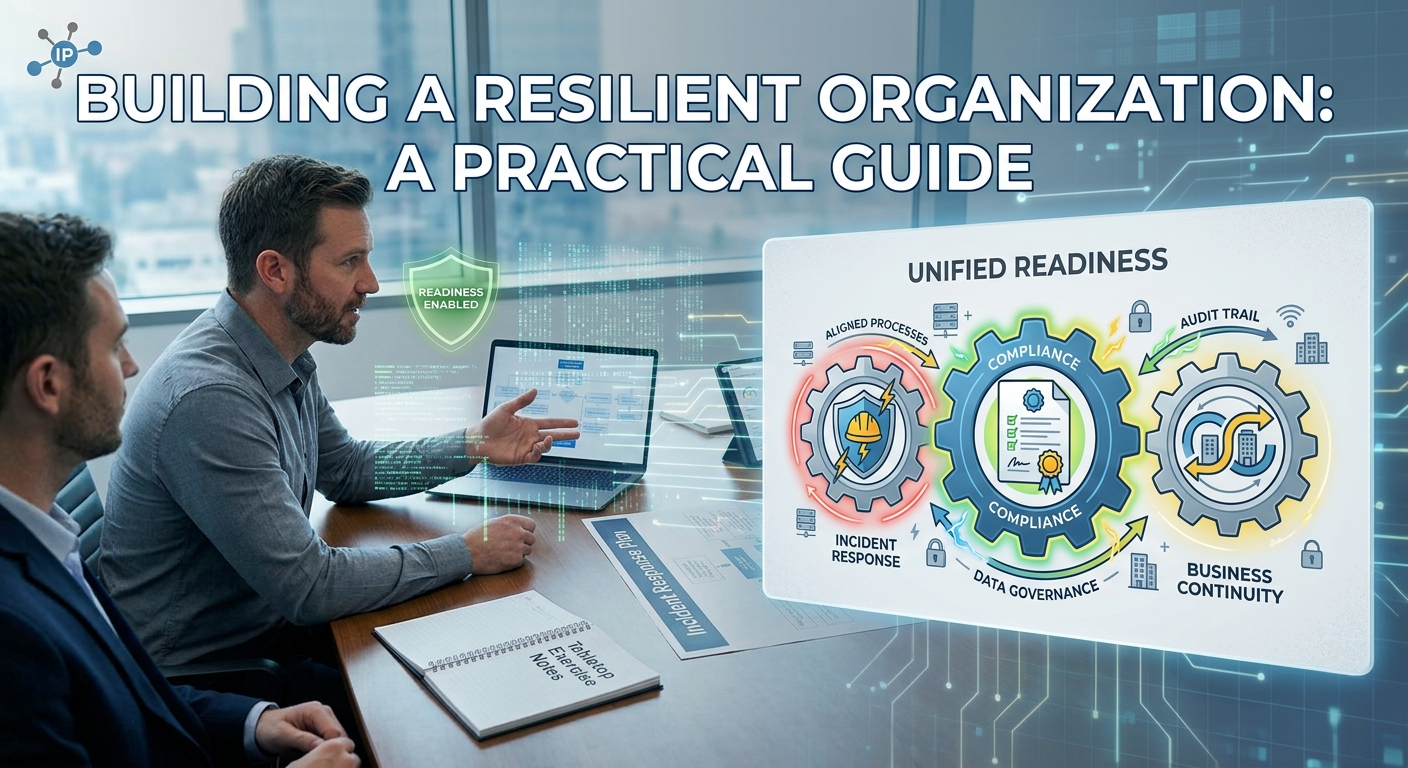
The most useful step you can take is a tabletop exercise. Gather the people who would be involved, present a realistic scenario such as a ransomware infection or a compromised executive email account, and walk through how you would respond. Where do people disagree about who is in charge? What information is missing? Which systems would you need that might be unavailable? Even a single session of an hour or two tends to surface gaps that no document review would.

Pair that with a few practical checks: confirm that your contact lists are current, verify that you can restore a system from backup, and make sure your logging and monitoring would give you enough information to understand what happened. Then schedule a repeat, because the plan and the people using it will both change.
Where Outside Support Helps
Many organizations don’t have a dedicated security team or have one that’s stretched thin. Building a plan, running exercises, maintaining backups, and monitoring for threats is a lot to carry alongside everything else. Working with a partner can fill those gaps, from developing and testing response procedures to supporting recovery when something does happen. Our team works with organizations to assess readiness, and our disaster recovery and data protection services help make sure that when you need to restore, you can.
If you’d like a second set of eyes on where your organization stands, we’re happy to help.