
Most security tools are good at one thing: making noise. An endpoint agent flags something at 2 a.m. A firewall logs a blocked connection nobody reviews until Monday. A cloud app quietly changes a permission, and nothing notices at all.
The technology isn’t the problem. The problem is that data sitting in a dashboard isn’t the same as someone watching it.
That’s the gap Tenax SecureOps exists to close, and it’s worth pulling back the curtain on what that actually looks like day to day.
What a SOC Actually Does
A Security Operations Center (SOC) is easy to describe in the abstract, “24/7 monitoring,” and much more useful to describe in practice. At Tenax Solutions (IP Pathways’ security branch), our SOC is the team of analysts sitting behind every alert our Managed SIEM and MDR services generate. Their job isn’t to collect data; the platform already does that. Their job is to look at what the platform surfaces, decide whether it matters, and act when it does.
That distinction matters more than it sounds. A tool can tell you that a login happened from an unusual location. A person has to decide whether that’s an employee working from a new coffee shop or the first sign of a compromised account and then do something about it before it becomes a headline.
How SecureOps Ties It Together
Tenax SecureOps is the umbrella over two services working in concert:
Managed SIEM pulls logs and events from across your environment; endpoints, servers, firewalls, cloud and SaaS platforms, into one correlated view. Instead of six tools telling six partial stories, the SOC gets one picture.
MDR (Managed Detection & Response) goes deeper on the endpoint itself, watching for the kind of behavior that log correlation alone can miss, the process that shouldn’t be running, and the file that shouldn’t be changing.
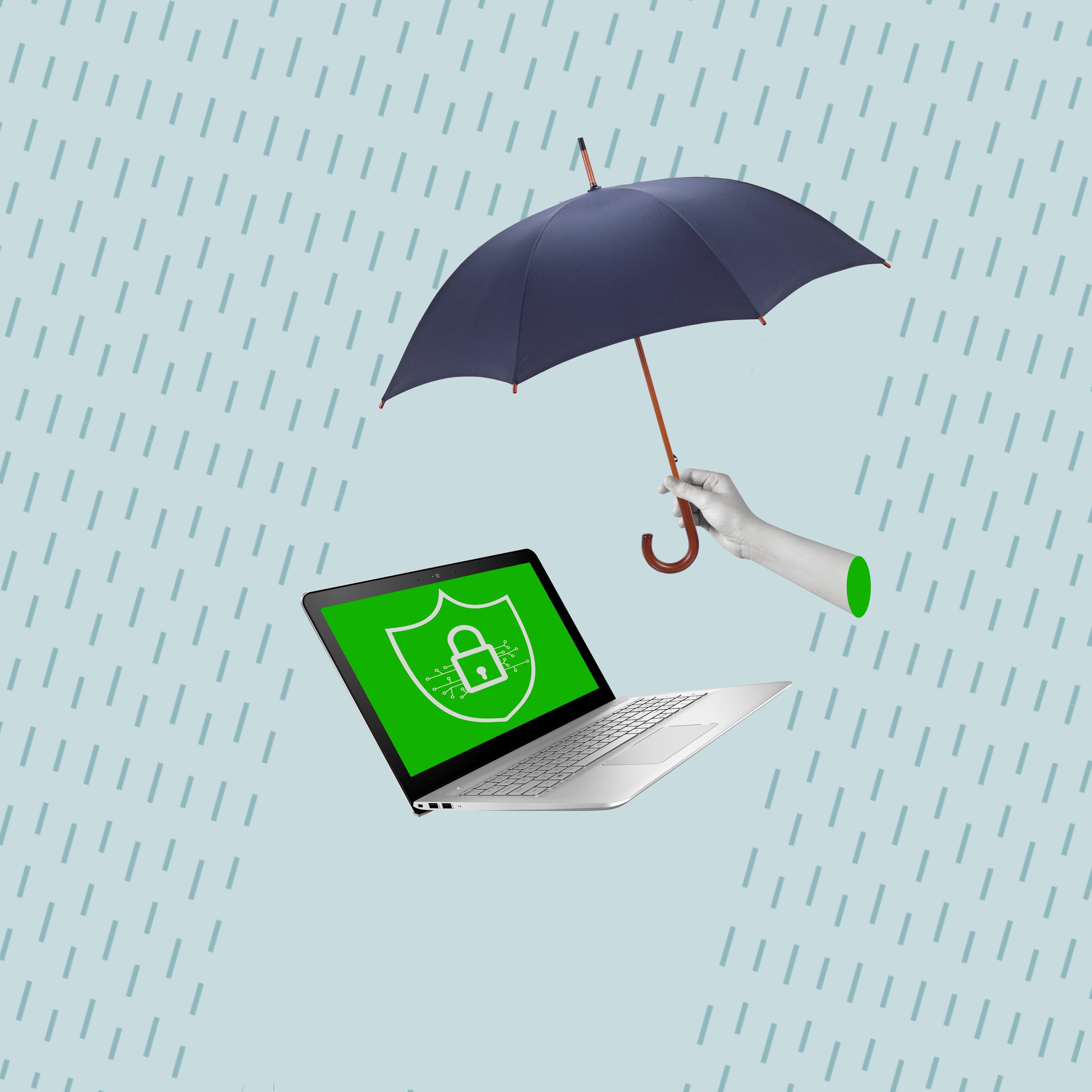
Neither one replaces the other, and neither one is complete alone. SIEM without a SOC is just a very well-organized pile of alerts. MDR without SIEM is blind to everything happening outside the endpoint. Tenax SecureOps is what happens when both are watched, tuned, and acted on by the same 24/7 team.
A Day (and Night) in the Life
Here’s what that looks like in practice:
Monitoring never stops. Our SOC operates 24×7×365, nights, weekends, and holidays. Threats don’t wait for business hours, so neither do we.
Alerts get triaged before they reach you. Every environment generates noise. Part of the SOC’s job is tuning detection rules specific to your environment so that the alerts that do reach you are the ones that actually warrant attention, not a 3 a.m. page for something that turned out to be routine.
Escalation moves at the speed of the threat. When something real is happening, our SOC doesn’t sit in a ticket queue waiting on a callback. Our engineering and SOC teams work side by side, so a genuine incident gets a direct, immediate response instead of a game of phone tag.
Nothing is shared across customers. Every customer’s stack is isolated, not multi-tenant. Your logs, your alerts, and your data live in a dedicated environment that’s never co-mingled with anyone else’s.
It’s 100% US-based. No offshore handoffs, no time-zone gaps, and no losing context in a shift change between continents.
Why This Matters Beyond “Peace of Mind”
Vendors talk about visibility as if it’s an end in itself. It isn’t. Visibility is only useful if it’s paired with judgment, and judgment is what a SOC provides that a dashboard, by itself, cannot.
That’s also, increasingly, what compliance frameworks and cyber insurance underwriters are looking for: not just that logs exist somewhere, but that someone is actually watching them and can prove it when it counts.
What This Looks Like for You
You don’t need to hire, train, and staff a 24/7 security team to get this. That’s the point of a managed model. The correlation, the tuning, the escalation path, and the humans behind all of it come as one service, built around your environment from day one.
If you’re curious what your own environment looks like through a SOC analyst’s eyes, where the blind spots are, and what “someone’s actually watching this” would mean for your team, let’s set up a time to walk through it together.